
Guide to
Living Well — Ancient Philosophy Applied to Daily Practice
Socrates said it at his own trial — not as a philosophical flourish, but as a reason to accept the death penalty rather than stop doing what Athens was prosecuting him for. The unexamined life is not worth living. The articles here take that seriously: self-reflection, habits, identity, and the daily practice of thinking clearly about how you are actually living.
Most treatments of that line stop at explaining what it means. The harder questions are the ones it leaves open: why the unexamined life is so easy to live in the first place — what makes non-examination the path of least resistance — and what doing the opposite actually costs on an ordinary day, not just in a crisis.
This pillar is the least dramatic and, over a life, probably the most consequential. The big questions — meaning, mortality, how to love — arrive occasionally and demand a reckoning. Living well is what happens on all the ordinary days in between, and it is decided not by conclusions you reach but by things you repeatedly do: how you spend an unremarkable Tuesday, where your attention goes when nothing is forcing it, whether you examine the day or just get through it. The Stoics understood that a philosophy which only shows up in a crisis has already failed. Their tradition was overwhelmingly about the small, daily, unglamorous mechanics of a well-run mind — the morning intention, the evening review, the drill you run before the day has a chance to run you. That is the material here.
It matters because the ordinary is where a life is actually assembled. Nobody decides, once, to live shallowly or comparatively or on autopilot. It accretes, one unexamined afternoon at a time, until the accumulated residue is a character you didn’t consciously choose. The good news hides in the same fact: because a life is built by repetition, it can be rebuilt by the same mechanism. You do not have to become a different person by force of will. You have to change what you repeatedly do, in small enough increments that the change holds — which is both harder and far more reliable than the motivational version, and it is what almost every article below is really teaching.
What follows maps the practice. Read the section that matches what you’re trying to build — a reflection habit that doesn’t curdle into rumination, discipline that needs less willpower, attention you can keep, or a Stoic drill you can actually run tomorrow morning.
The examined life — and why the unexamined one is easier
Start with the claim itself. What the examined life actually means comes from Socrates’ own trial, where he chose death over stopping — so it was never a motivational slogan. The harder companion question is why the unexamined life is so easy to live: non-examination is the path of least resistance for a reason, and naming it is the first move against it.
Self-reflection as a method, not a mood
Most people ruminate and call it reflecting. Self-reflection isn’t a feeling — it’s a practice with a method, and the Stoics built the specific daily version. The two halves have to work together: self-awareness and reflection — one without the other produces insight but no change. The tools matter. Journaling does something real to you, but the listicles skip the mechanism and the point where it backfires; the right questions to ask yourself are built so they won’t turn into rumination. And the sharpest reframe of the whole practice: the Stoics didn’t journal — they put themselves on trial, which is the missing part of the modern version.
Discipline that needs less willpower
The counterintuitive core: discipline is a system, not a supply of grit. Self-discipline isn’t willpower — it’s the structure you build so the right action stops needing a decision, which is what habits are and why they form, the mechanism Aristotle understood before the neuroscience. Delayed gratification isn’t refusing pleasure but discerning which pleasures are worth it. And the failure modes have specifics: procrastination advice fails because it was written for a different procrastinator than you, Cal Newport’s time blocking dies by Tuesday when the day breaks, and practical Stoicism fixes the gap between reading the quotes and knowing what to do the next morning — one drill at a time.
Attention, presence, and the busy-but-hollow day
Where your attention lives is most of how your life feels. Living in the present isn’t willpower but a time-perspective habit. The attention economy has a 2,000-year-old Stoic diagnosis — the seventeen minutes you lost to an app you opened for one thing. It shows up in small automatic acts: your morning coffee is already a Stoic practice, and Epictetus wrote a chapter about exactly the reach-for-the-phone reflex. Two modern hollownesses belong here. Why a busy day leaves you hollow is the deep-work versus shallow-work divide, not a matter of output. And why am I bored reframes boredom as a signal that your attention has nowhere meaningful to land, not a lack of things to do.
The Stoic drills
What separates Stoicism from most philosophy of life is that it did not stop at conclusions — it prescribed exercises, the way a physical training programme prescribes movements. This is the part the modern quote-and-nod version loses entirely. Reading that you should not fear loss changes nothing; running a specific drill that rehearses loss, in controlled doses, on an ordinary morning, slowly changes your relationship to it. The drills are how a philosophical conviction gets into the body, past the level of intellectual agreement and into the reflexes that actually fire when something goes wrong. They are also, notably, dosed — each of the ones below carries a rule about how to run it without tipping into the very anxiety it was meant to dissolve, which is exactly the sophistication the pop version drops.
Some of this is concrete exercise. Premeditatio malorum — rehearsing what could go wrong — has one rule that separates it from anxiety itself; negative visualization is the 60-second version with a dosage rule so it doesn’t spiral. And amor fati isn’t “it is what it is” — it’s a trainable discipline of loving what happens while your response stays yours.
How we undermine ourselves
Some patterns are automatic, which is exactly why willpower doesn’t touch them. The hedonic treadmill is why getting what you wanted stops fixing anything — and the mechanism behind the reset. Social comparison is why “just stop comparing” doesn’t work: Festinger named the automatic drive in 1954, the Stoics two thousand years earlier. People-pleasing isn’t kindness but often the fawn response — saying yes when you mean no and resenting it later. And why a slow-paced life feels like laziness when it isn’t — the guilt that arrives the moment you finally clear the afternoon.
The honest anchor for all of it is a man who couldn’t do it. The philosopher who couldn’t practise what he preached — Seneca, one of the wealthiest men in Rome, who nonetheless wrote the most precise account of wasted time in Western philosophy. That contradiction is not a reason to dismiss him. It is the most useful thing about him, because it names the real subject of this entire pillar: the gap between knowing how to live and actually living that way. Seneca knew exactly what a good use of time looked like and often failed to spend his own that way — which makes him better company than a sage who found it easy, because his problem is your problem.
The point of every practice here is to narrow that gap by a degree, and to be honest that it never fully closes. You will know the drill and skip it. You will recognise the comparison and make it anyway. Living well is not a state you reach and then occupy; it is a direction you keep choosing, on ordinary days, against the pull of the automatic. The measure is not perfection but trajectory — whether, a year from now, slightly more of your life is examined, chosen, and attended to, rather than run on the defaults you never picked. Where this daily practice meets the deeper question of what a life is ultimately for, that is Meaning & Purpose.
Explore every article in this pillar

The Attention Economy Has a 2,000-Year-Old Stoic Diagnosis
You opened an app to check one thing. Seventeen minutes later you have no memory of how you got there. A freed Roman slave described this exact mechanism before electricity existed.
The Philosopher Who Couldn't Practise What He Preached — Seneca
He was one of the wealthiest men in Rome. He also wrote the most precise account of wasted time in Western philosophy. Both things are true.
Why the Unexamined Life Is So Easy to Live — Socrates Was Right
Socrates said the unexamined life is not worth living at his own trial — choosing death over stopping. Here is what he actually meant, and why non-examination is the default.

Your Morning Coffee Is Already a Stoic Practice — Here's Why
You reach for your phone every morning without deciding to. Epictetus wrote a chapter about exactly this — and what it means for your attention faculty.
Self-Reflection Isn't a Feeling — It's a Practice with a Method
Most people ruminate rather than reflect. The Stoics built a specific daily practice for self-examination — here's what it involves and how to start tonight.

The Stoic Journal: Why Seneca Held a Trial, Not a Diary
The modern self-reflection practice is missing its most important part. The Stoics didn't keep a diary — they held a daily trial.

Self-Awareness and Reflection: Why One Without the Other Fails
Reflection and self-awareness aren't the same practice. One without the other produces insight but no change.
What the Examined Life Actually Means — Socrates' Argument
The Socrates quote comes from his own trial. He chose death over stopping. Here is what he actually meant by the examined life — and what it requires.
Social Comparison Theory: Why "Just Stop Comparing" Doesn't Work
The comparison drive is automatic — Festinger knew it in 1954. So did the Stoics. Here's the mechanism, and why the standard intervention fails.

Why Habits Form — What Aristotle Understood About Habits
Most habit advice describes the system. Aristotle explained the mechanism — and it has everything to do with who you're becoming.
Why Procrastination Advice Fails You (And What Actually Works)
The advice keeps failing because it was written for a different procrastinator. Here's how to tell which type you are — and what to do about it.
The Hedonic Treadmill — Why Getting What You Want Doesn't Fix It
You got the thing you wanted. It felt like enough — briefly. Here's the mechanism behind why it stopped, and what the Stoics built to interrupt it.
What Journaling Actually Does to You — and When It Backfires
Journaling benefits are real — but the listicles skip the mechanism. Why naming a feeling shrinks it, and the one mode that quietly makes things worse.

Why Am I Bored? It's a Signal Your Attention Is Misplaced
Boredom isn't a lack of things to do. It's the friction you feel when your attention has nowhere meaningful to land — and the standard fix makes it worse.
People-Pleasing Isn't Kindness — It's the Fawn Response
If you say yes when you mean no and resent it later, that isn't a character flaw. It's often the fawn response — a learned survival pattern.
Cal Newport's Time Blocking — Why Your Grid Dies by Tuesday
Cal Newport's time blocking works beautifully until your day breaks — and then most people quit. The reason isn't discipline. It's design.
What Delayed Gratification Actually Means — and When to Stop
Delayed gratification isn't willpower refusing pleasure. It's discernment — choosing which pleasures are worth waiting for, and when waiting becomes its own trap.

Self-Discipline Isn't Willpower — It's Needing Less of It
Self-discipline isn't more willpower — it's the system you build so the right action stops requiring a decision in the moment.

Premeditatio Malorum: The One Rule That Isn't Anxiety Itself
Premeditatio malorum is the Stoic practice of rehearsing what could go wrong. There is one rule that separates it from anxiety — and the popular versions drop it.

Living in the Present Isn't Willpower — It's Time Perspective
You can't 'just be present' through willpower. Where your attention lives in time is a habit — and the three traps that pull you out have a fix.
Amor Fati Isn't "It Is What It Is" — The Stoic Discipline
Amor fati isn't passive acceptance. It's a trainable Stoic discipline — loving what happens while your response stays your own active work.

Practical Stoicism: Your First Week, One Drill at a Time
You've read the quotes and nodded along, then didn't know what to actually do the next morning. Here's practical Stoicism as a sequence — one drill a day.
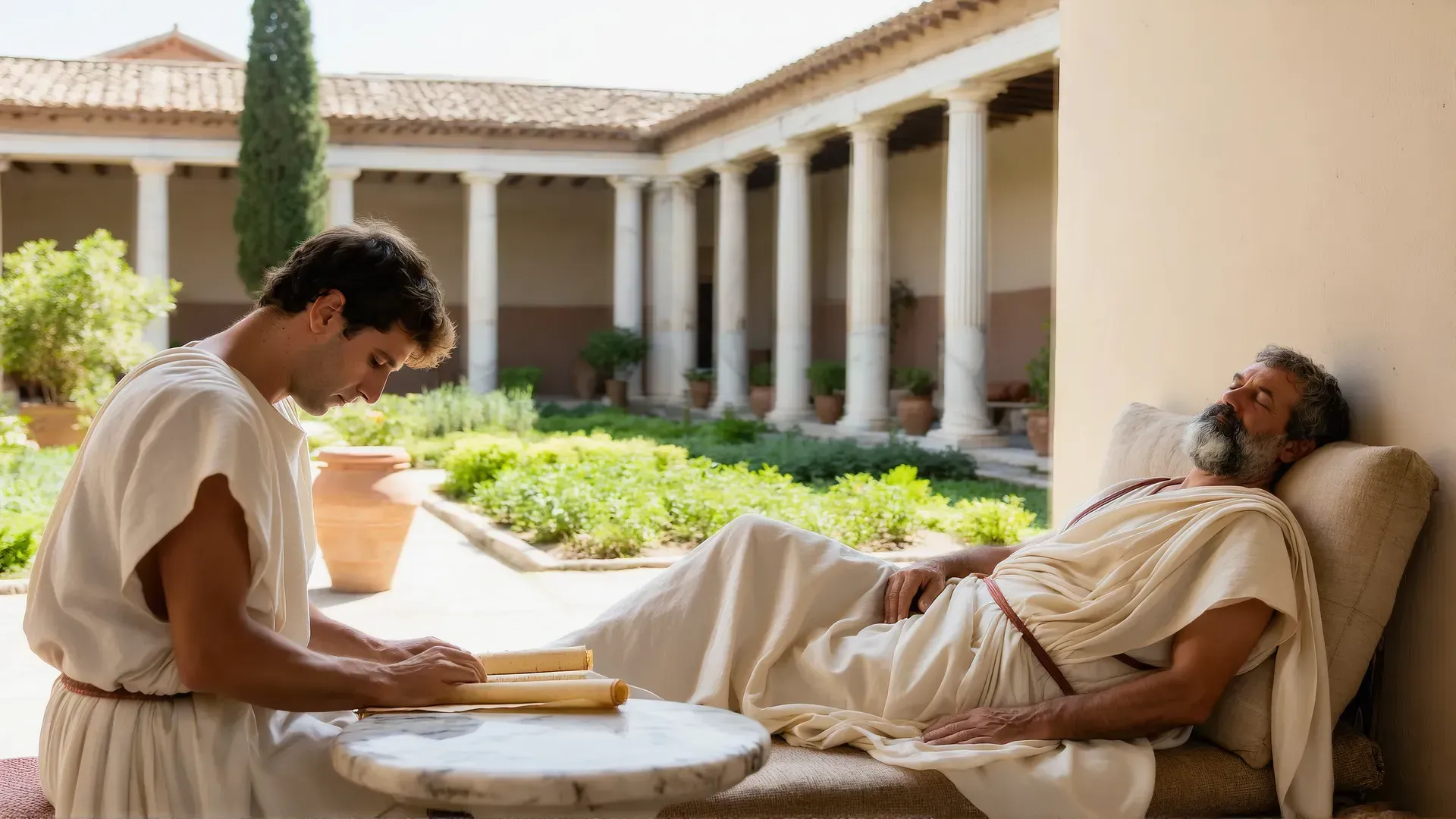
Why a Busy Day Leaves You Hollow: Deep Work vs Shallow Work
You can clear every task and still end the day hollow. The deep work vs shallow work divide isn't about output — it's about your attention.

Why a Slow-Paced Life Feels Like Laziness, and Why It Isn't
You finally clear the afternoon — nothing due, the empty hour you said you needed. Ten minutes in, you feel lazy. Here's why slowing down triggers guilt.

Negative Visualization: The 60-Second Stoic Drill (No Spiral)
Negative visualization in 60 seconds: the exact Stoic drill, the dosage rule, and how to picture loss without spiralling into anxiety.
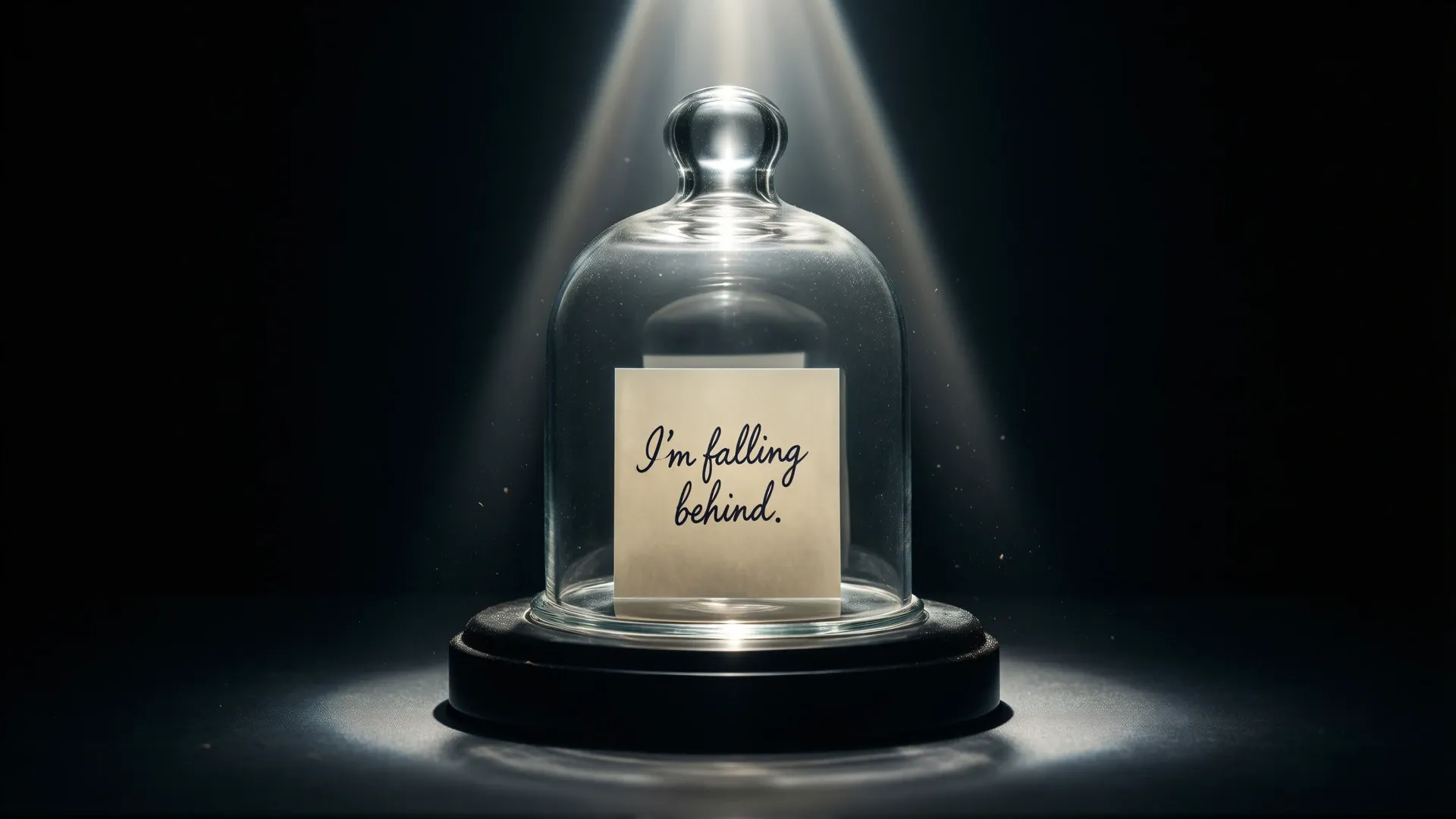
12 Questions to Ask Yourself That Won't Turn Into Rumination
You saved the 100-question list and never opened it again. The problem wasn't you — most questions aren't built to be answered. Twelve are.
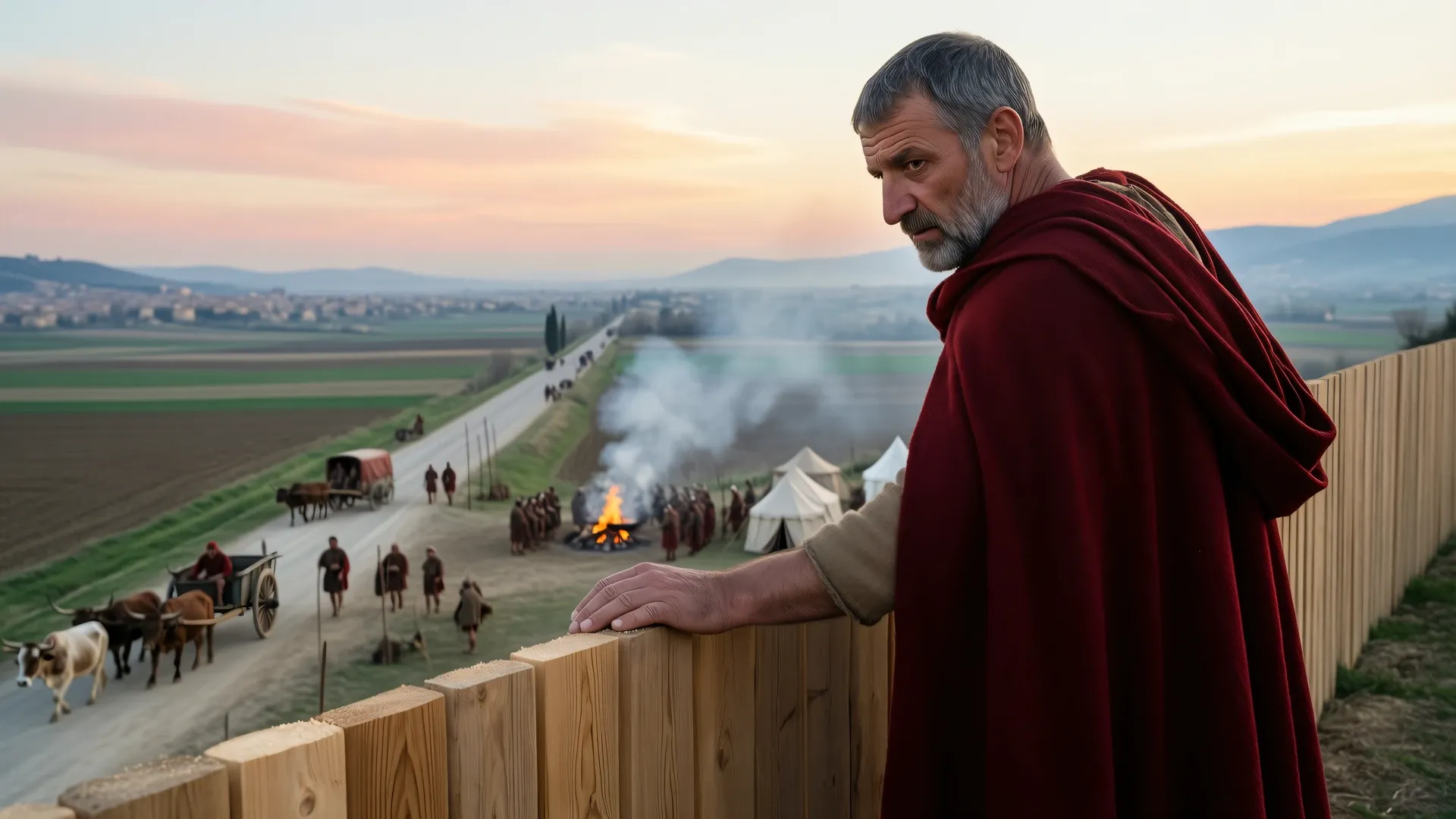
The View From Above: The Stoic Drill That Shrinks the Day
The Stoic view from above isn't there to make you feel small. It's there to clear the noise — and the version that leaves you feeling insignificant is the version that stopped halfway.
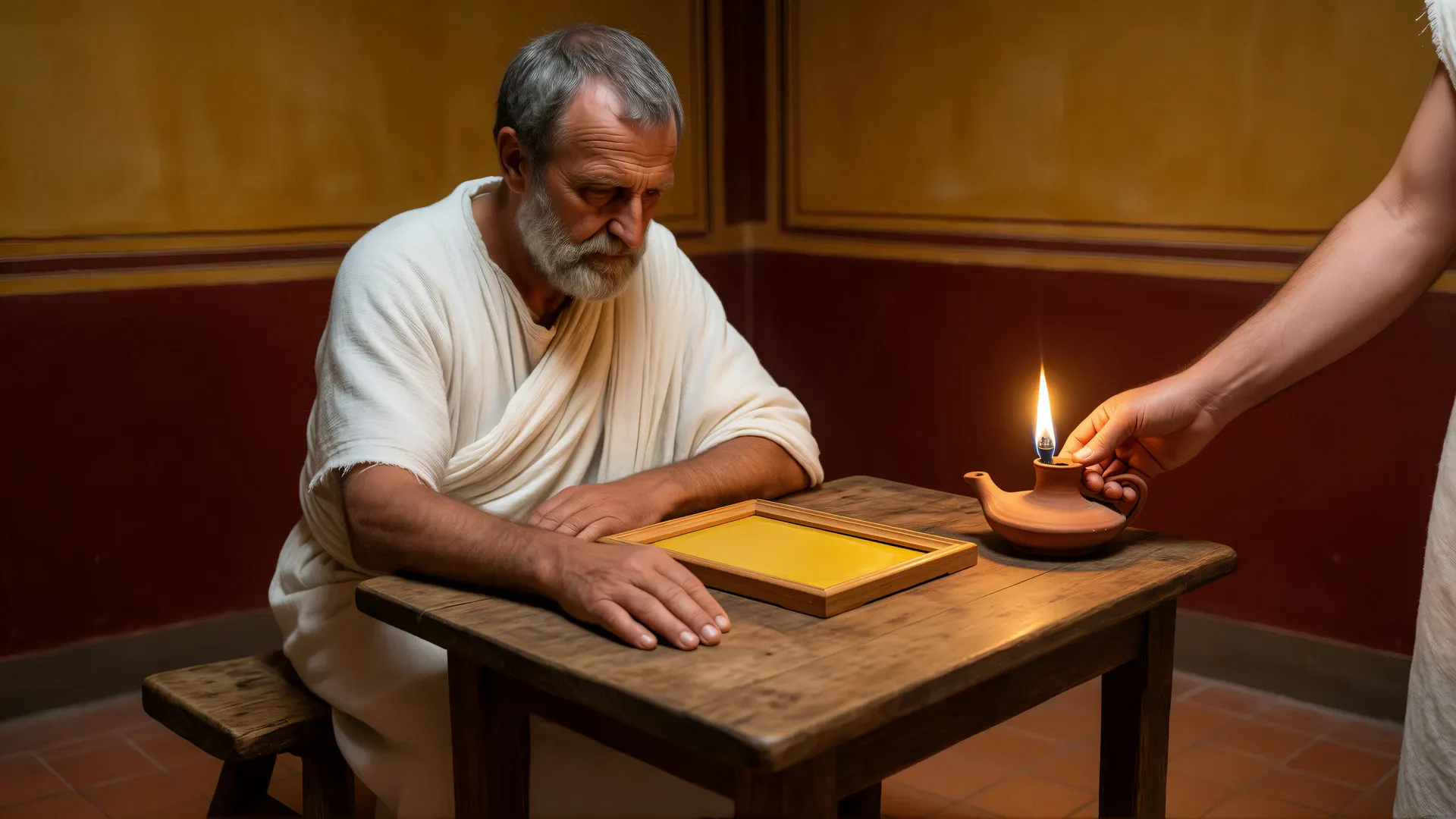
Rumination vs Reflection: Seneca Replayed His Whole Day
Both look inward. One builds something and one eats you alive. The difference isn't how much you think about it — it's whether you're asking a question you can answer.
Frequently asked questions
- What does 'the unexamined life is not worth living' mean?
- Socrates said this at his trial in 399 BC, when given the option to stop philosophising or face death. He chose death. His point was not that unexamined lives are worthless, but that a life lived entirely on unexamined assumptions — without interrogating the principles guiding your choices — is missing its own point. The examined life is not a personality type or an intellectual hobby. It is the basic requirement of living deliberately.
- How do habits form according to psychology and philosophy?
- Aristotle argued that character is not what you decide to be but what you repeatedly do — virtue is a habit before it is a trait. Modern neuroscience has confirmed the mechanism: habits form through a cue-routine-reward loop that eventually becomes automatic, bypassing deliberate decision-making. The practical implication, which both Aristotle and the research support, is that change happens through repeated action at the margin, not through resolution.
- What is the hedonic treadmill and how do you get off it?
- The hedonic treadmill is the tendency for positive life changes to produce only a temporary increase in wellbeing before returning to baseline. The Stoic practice of negative visualisation — deliberately imagining the loss of things you currently have — interrupts the adaptation process by restoring genuine appreciation. It is not pessimism; it is a deliberate technique for resetting the baseline without requiring anything to actually get worse.
- What is social comparison theory?
- Leon Festinger's social comparison theory (1954) holds that humans evaluate their own opinions and abilities by comparing them to others, especially in ambiguous situations. Upward comparison — measuring yourself against people who appear to be doing better — reliably produces dissatisfaction. The Stoics identified the same mechanism two thousand years earlier and had a specific practice for it: measuring your inner life by your own standards, not other people's outer performance.
- Why do people procrastinate?
- Procrastination is not primarily a time management problem — it is an emotion regulation problem. People avoid tasks associated with anxiety, self-doubt, or boredom, not because they are lazy but because the avoidance provides short-term relief. The Stoic account of this is precise: it is the preference of immediate comfort over considered judgement, the same failure Epictetus described as living by impression rather than by prohairesis.
- What is self-reflection and how do the Stoics practise it?
- For Socrates, self-reflection was not introspection but interrogation — taking your existing beliefs and questioning them until you found either their foundations or their cracks. The Stoics built this into daily structure: a morning review of the day ahead, an evening review of how you actually acted versus how you intended to. Marcus Aurelius's Meditations is the record of this practice — not a spiritual diary, but a philosopher holding himself to account in writing.